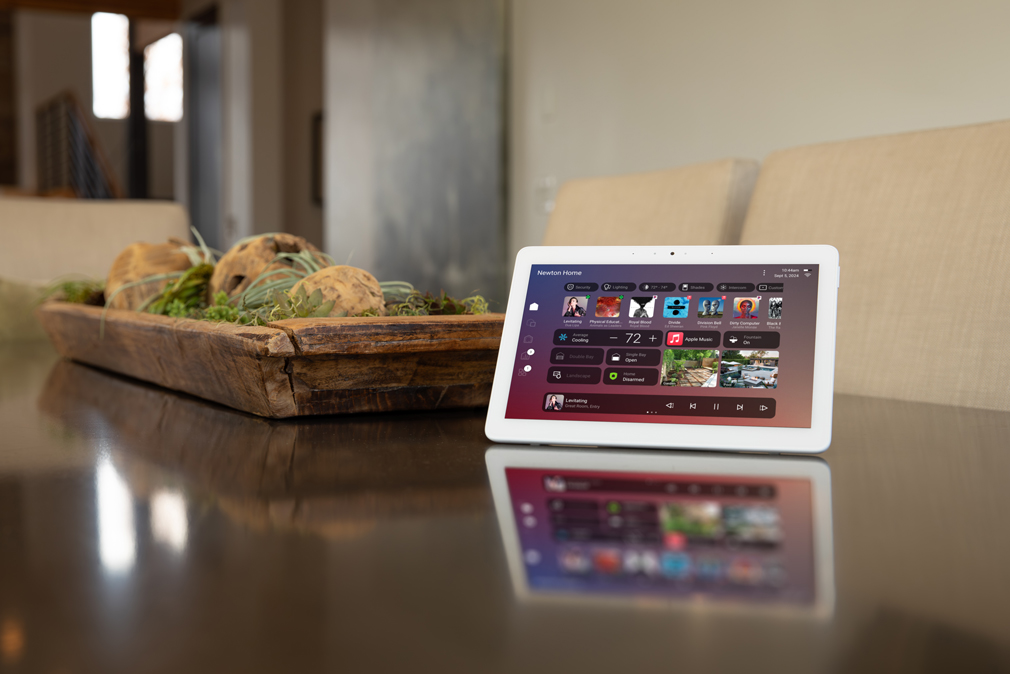






Every builder knows the feeling. The home is nearly finished, the buyer is excited, and then the questions start. Where does the TV go? Can we add cameras? Why is the Wi-Fi weak in the back bedrooms? Suddenly technology that should have been planned during design is being retrofitted around finished drywall, trim, and millwork. It is slower, it is messier, and it eats into the margin you worked hard to protect.
It does not have to go that way. On custom and high-end residential projects across South Carolina, the builders who deliver the cleanest handoffs treat technology like every other trade: planned early, coordinated through rough-in, and finished on schedule. That is the entire idea behind a builder partnership, and it is worth understanding why the timing matters so much.
Technology Planned Late Is Technology Done Twice
The most expensive way to install low-voltage is after the fact. Once walls are closed, adding a camera location, a keypad, or a speaker zone means fishing cable, cutting into finishes, and patching behind the trades who already left the site. The work still gets done, but it costs more, takes longer, and rarely looks as clean as it would have if the path had been planned during framing.
Planning early flips that equation. When structured wiring and rack infrastructure are designed during the permitting phase, cable runs follow the cleanest path, head-end locations are defined before they conflict with HVAC or plumbing, and every TV, access point, camera, doorbell, gate, and keypad has a home before the drywall goes up. The result is a documented set of as-builts your team can actually rely on, not a guess about what is behind the wall.
One Trade Instead of Five Vendors
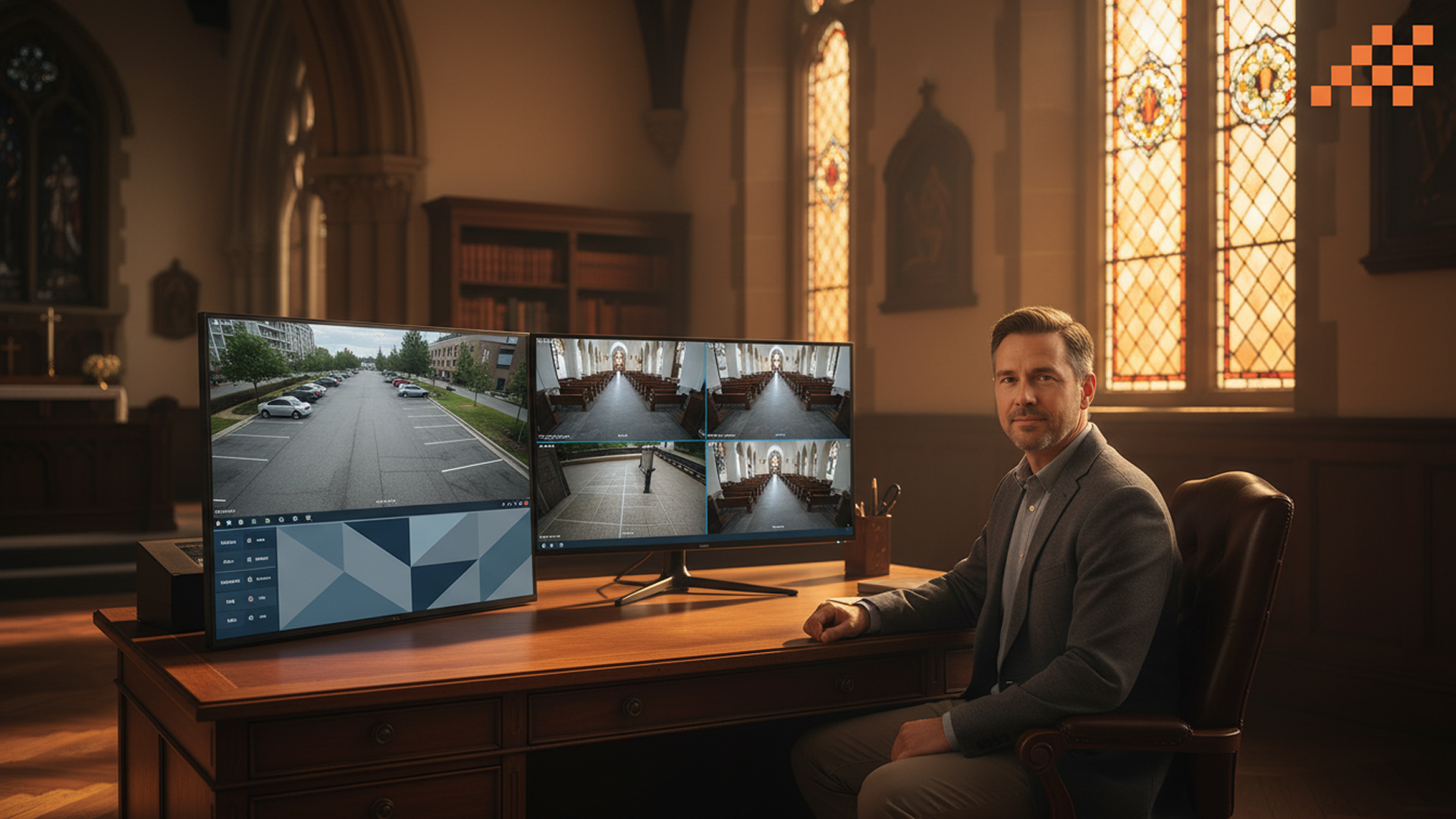
A modern custom home pulls together five systems that used to live in separate silos: automation, lighting, security, audio-video, and networking. When each one comes from a different vendor, your superintendent becomes the coordinator by default, chasing schedules, reconciling drawings, and fielding warranty calls long after closing.
Consolidating those systems under a single integration partner removes that burden. One set of drawings. One trim-out window. One warranty contact. When smart home automation, security, lighting, and AV are specified and installed as one integrated scope, the security VLANs, IoT devices, and guest networks are engineered to coexist from the start rather than fighting each other after move-in. That is the difference between a system that simply works and one that constantly needs a service call.
Smart Home Features Sell Homes
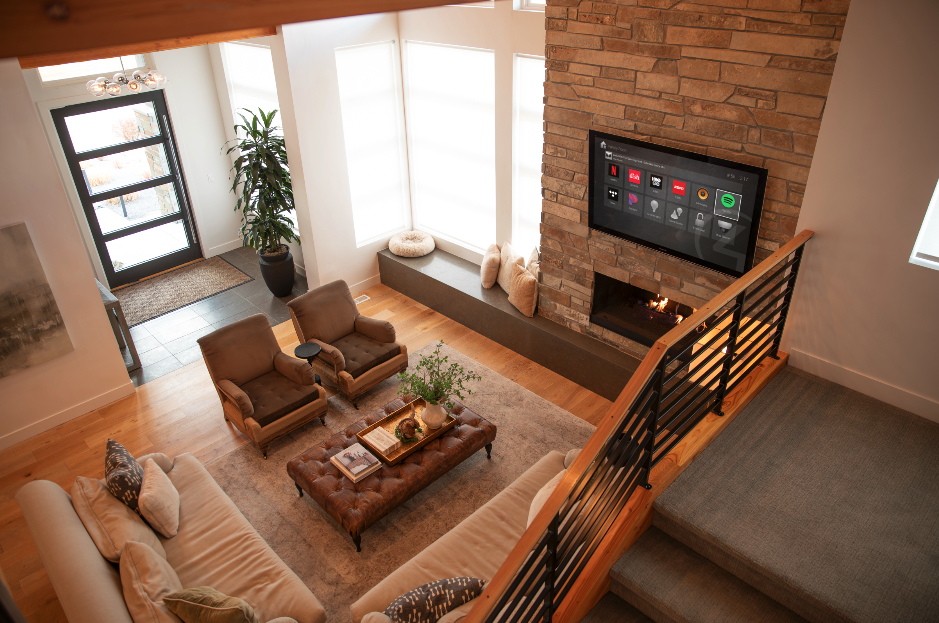
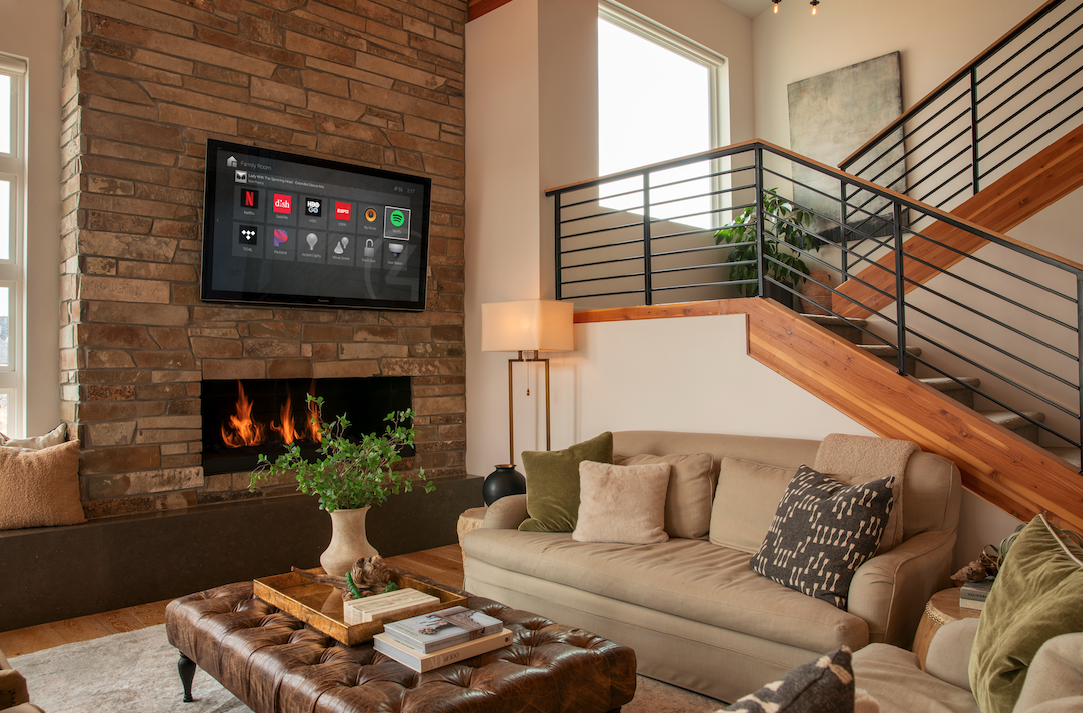
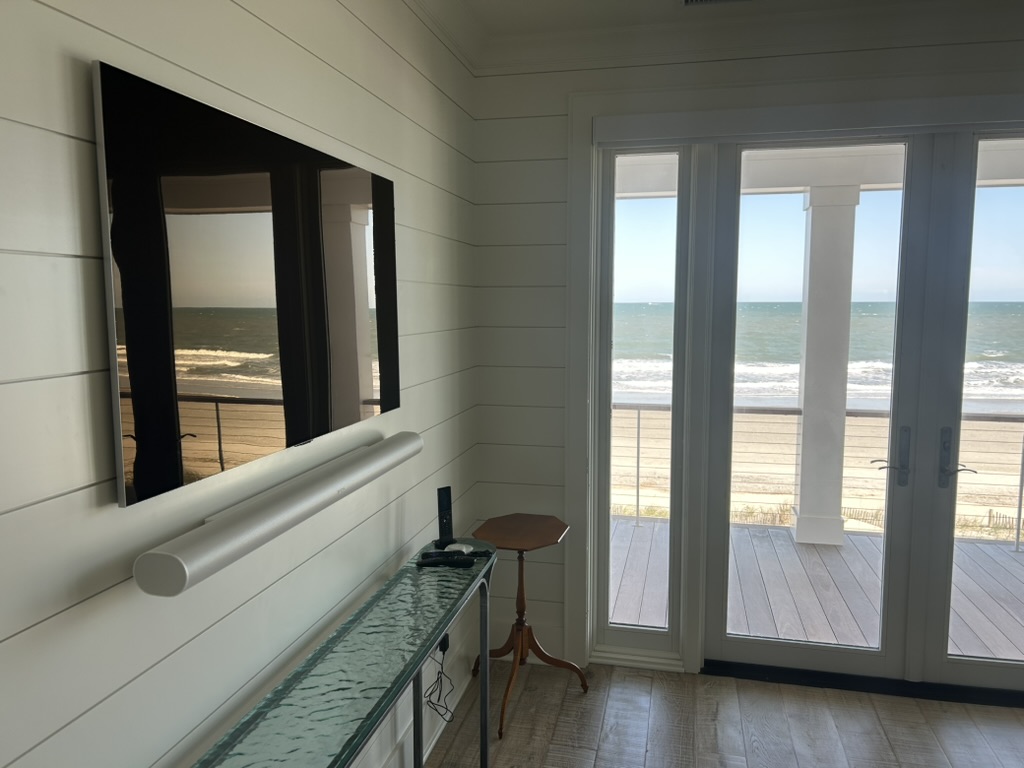
There is a reason model homes increasingly lead with technology. Buyers walking through a residence with controlled lighting scenes, motorized shades, and hidden, well-integrated systems perceive a higher level of build quality, and that perception closes deals.
Lutron keypads and scenes consistently outperform a static brochure because the buyer experiences the quality difference in person. Integrated security, documented automation, and clean architectural installs read as premium features that appraisers recognize and resale buyers pay for. Done well, a smart home package is not a cost center bolted onto the build. It is a selling tool that differentiates your homes in a competitive market.
Job-Site Discipline Is the Real Differentiator
Anyone can pull cable. What protects a builder's schedule is discipline: milestone visits aligned to the construction calendar, labeled and tested terminations, clean punch lists, and a trim-out that lands on time rather than holding up the certificate of occupancy. The trade that becomes the bottleneck is the trade that gets replaced.
The best builder partnerships also handle the handoff. Buyer orientation, a printed and digital homeowner manual, and a defined support window after move-in mean warranty calls go to the integrator, not to your superintendent. That single shift, moving post-closing support off your books, is often what makes a partnership pay for itself.
What a Real Partnership Looks Like
A builder partnership is not a vendor relationship dressed up with a nicer name. It is a structure built around builder economics: tiered spec packages for spec, semi-custom, and fully custom homes, locked pricing for active partners, clear upgrade menus, and change orders that do not derail the schedule. Upgrade revenue gets billed directly to the homeowner, off your books, so the partnership lifts perceived value without adding to your costs.
MK Technology works as an in-house team with no subcontractors on builder projects, designing, wiring, programming, and commissioning every system from a Control4 Gold, Lutron Gold, and Turing AI certified standard. With a 5.0 Google rating and crews working from Charleston and Mount Pleasant through Pawleys Island, Myrtle Beach, Columbia, and Greenville, the goal on every project is the same: technology ready before you need it, and a handoff your buyers remember.
Build It In From the Start
The pattern repeats on project after project. The homes that close fastest and generate the fewest callbacks are the ones where technology was planned alongside the foundation, not chased after the trim. If you build custom or high-end homes in South Carolina and you are tired of coordinating five low-voltage vendors yourself, it may be time to make technology part of your build team.
Request a builder consultation and we will set up a discovery call, walk an active job site if one is available, and build a partnership that raises your homes' perceived value while lowering your warranty exposure.